Regulations · EU
Does the European Accessibility Act apply to vending machines?
Since 28 June 2025 payment terminals and many self-service terminals must be accessible. Standalone vending machines are generally outside the scope – but their payment terminals are not.
2 min read
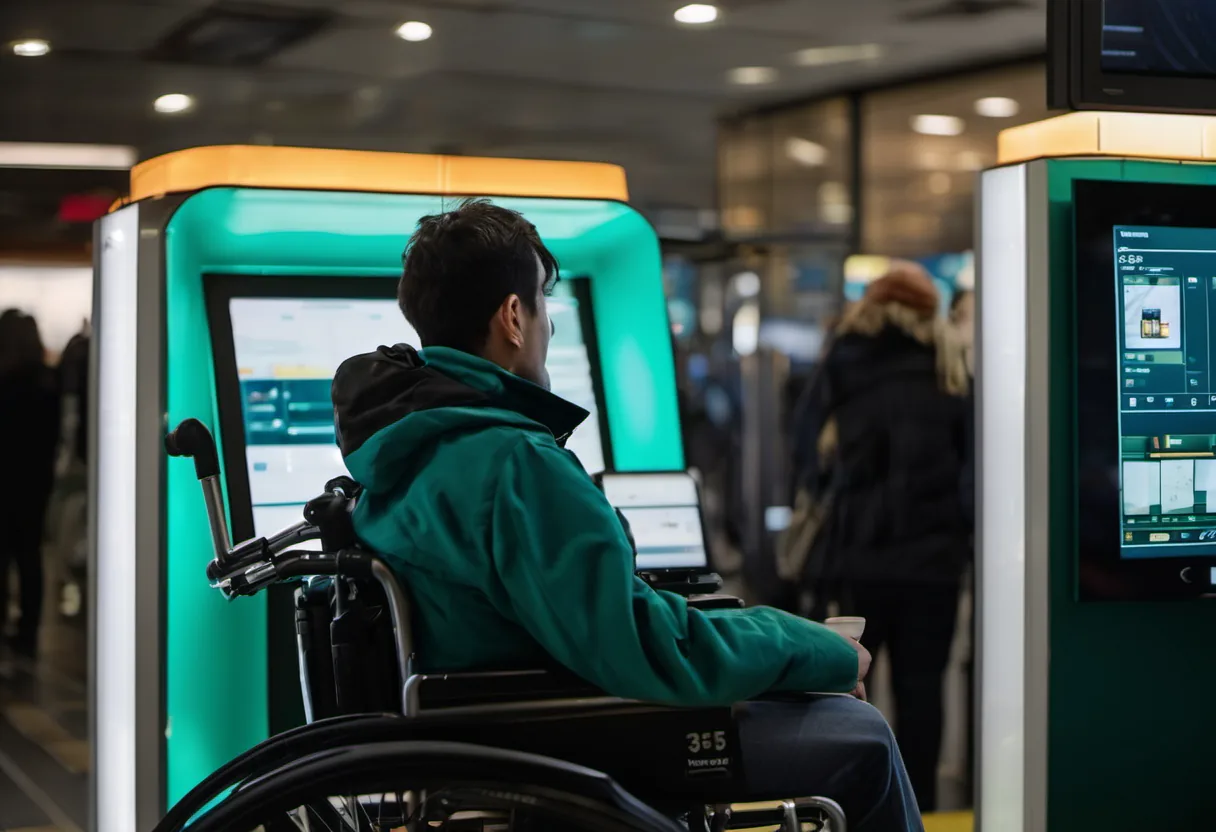
The European Accessibility Act (EAA) has applied since 28 June 2025. It requires certain products and services to be usable by people with disabilities – and self-service technology is one of its main targets.
What is covered
The Act lists several types of self-service equipment:
- payment terminals,
- ATMs,
- ticketing and check-in machines,
- interactive self-service terminals providing information related to services in scope (for example transport or banking).
The harmonised European standard EN 301 549 describes the technical requirements – for example readable screens, alternatives to touch-only control, audio output and accessible operating heights.
And vending machines?
Commentaries on the Act generally read it this way: a standalone vending machine selling physical goods is not itself in scope. However, a machine that is part of a covered service – such as a transport ticket machine – may be. We have not found a statement in the legal text that addresses vending machines explicitly, so treat this as the prevailing interpretation, not a final answer.
The payment terminal inside the machine is a different story. Payment terminals are explicitly covered, and payment providers have been working on compliant devices.
What operators should do
- Ask your payment terminal supplier whether the devices you use meet the EAA requirements and EN 301 549.
- Check special cases – machines that sell tickets, provide transport or banking services, or offer interactive information may fall under the Act.
- Think accessibility anyway. Screen height, contrast and payment that works without perfect vision make machines easier for everyone – including older customers.
This article is general information, not legal advice.
Sources
This article is general information, not legal or tax advice. Rules change – check them with the authority or an adviser before deciding.